Hyde Park Bank Building, 1525 E. 53rd Street, Suite 832, Chicago, Illinois 60615



312-229-0050


What Constitutes Police Brutality in Chicago?
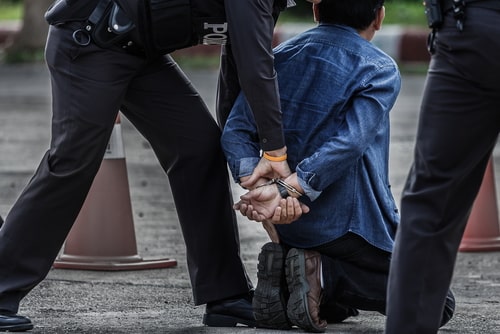 If you were harmed by a law enforcement officer in Illinois in 2026, you may have grounds for a legal claim. Police brutality refers to the excessive use of force, abuse of power, or misconduct by an officer toward a civilian. Understanding what qualifies and what your options are is the first step toward holding the responsible parties accountable. A knowledgeable Chicago, IL police brutality attorney can review what happened and help you decide how to move forward.
What Counts as Excessive Force by a Police Officer in Illinois?
Excessive force is one of the most common forms of police brutality. Officers have the authority to use force to protect themselves or others. However, under 720 ILCS 5/7-5, Illinois law limits when officers may use force during an arrest, especially deadly force.
Examples of excessive force include:
-
Striking someone who is not resisting arrest
-
Applying a chokehold during a routine traffic stop
-
Continuing to use force after a person is already on the ground and restrained
-
Using a weapon against someone who poses no physical threat
Under 50 ILCS 705/10.6, Illinois officers must complete regular training that includes use-of-force and de-escalation training. De-escalation means finding ways to calm a situation before resorting to physical force. In practice, a civil rights claim examines the gap between what an officer was trained to do and what they actually did.
Does Racial Profiling Qualify as Police Misconduct in Chicago?
Another form of police misconduct is racial profiling. This occurs when officers stop, search, or use force against someone based on race or ethnicity rather than actual behavior.
Racial profiling can violate the Fourth Amendment, the Fourteenth Amendment, or both. The Fourth Amendment protects people against unreasonable searches and seizures, while the Fourteenth Amendment prohibits unequal treatment based on race.
When a stop is based on who someone is rather than what they did, that person may have grounds for a legal claim. This can include situations in which an officer stopped someone without reasonable suspicion, conducted an unlawful search, or used force that the circumstances did not warrant. Depending on what happened, that claim may seek compensation for physical harm, emotional distress, or the violation of constitutional rights itself.
How Does Chicago Investigate Complaints Against Police Officers?
Chicago has an oversight body called the Civilian Office of Police Accountability (COPA). COPA replaced the Independent Police Review Authority in 2017 and has broader investigative authority. It investigates complaints against officers, including excessive force, improper searches, improper seizures, and bias-based verbal abuse.
The data from that oversight process is troubling. According to data COPA provided to WTTW News, excessive force allegations against Chicago police officers rose 46 percent between 2022 and 2025. WTTW News also reported that a court-ordered study found officers disproportionately used force against Black and Latino residents, even when accounting for differences in arrest rates.
The Chicago Police Department is also operating under a federal consent decree that requires reforms to use-of-force policies, training, and oversight. Those monitoring reports are public and can be useful in a civil rights case to show a broader pattern of misconduct.
If you file a complaint with COPA, that creates an official record that can support a civil lawsuit. Keep in mind that a COPA complaint and a civil claim are separate processes. Filing one does not replace the other.
What Legal Options Do You Have After Police Brutality in Chicago?
People harmed by police misconduct have the right to pursue legal action. A civil lawsuit can seek payment for physical injuries, emotional distress, and violations of constitutional rights. These cases do result in real compensation. In 2024, the city paid out over $9.2 million to resolve 28 use-of-force cases against the Chicago Police Department, according to the city's 2024 CPD Litigation Report.
Federal claims under 42 U.S.C. Section 1983 allow individuals to sue government officials for violating constitutional rights. To bring that claim, you generally need to show two things: that a constitutional right was violated, and that the officer was acting under the authority of law. These claims are filed in federal court and are separate from any state law claims.
Federal civil rights claims against Illinois police officers are subject to the two-year personal injury deadline. Missing those deadlines usually means losing your right to sue.
Contact a Chicago, IL Police Brutality Attorney for a Free Consultation
If a police officer harmed you, the experienced South Side of Chicago, IL civil rights lawyer at Kadzai Law Group, LLC can review your situation, explain your options, and work to hold the responsible parties accountable. Call 312-229-0050 to schedule a free consultation.